

ONDA vs Ultherapy: Which Skin Tightening Treatment Actually Delivers Real Results
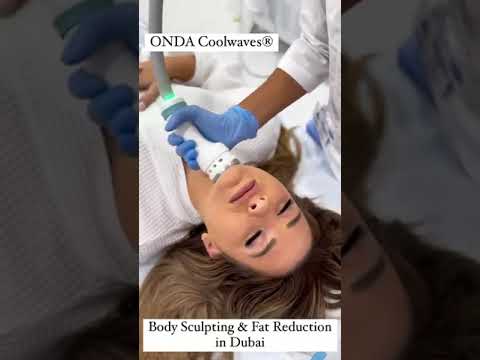
You’re considering skin tightening, and you’ve narrowed it down to ONDA vs Ultherapy—two very different routes to the same goal. ONDA uses microwave energy to heat the deep dermis and melt fat, while Ultherapy delivers focused ultrasound to lift and firm the foundational layers. If you want quick, subtle tightening with minimal downtime, ONDA’s wave-based approach works in a couple of sessions, whereas Ultherapy offers a single, longer treatment that triggers collagen production over several months. The real difference comes down to whether you prioritize fat reduction plus tightening or a purely non-invasive lift, so your choice depends on your skin laxity and how much patience you have for results.
Two Different Approaches to Skin Tightening: What’s the Real Difference?
ONDA and Ultherapy tackle skin laxity through fundamentally different mechanisms, shaping your results and recovery. Ultherapy uses focused ultrasound to heat precise points deep in the SMAS layer, triggering an immediate collagen contraction and a gradual rebuilding process over 2–3 months; it’s ideal for mild-to-moderate jowling and brow droop, but the sensation can be sharp, and results are highly dependent on practitioner skill. ONDA, by contrast, employs microwave energy to heat the entire dermis volumetrically, which allows for a broader, more uniform tightening effect across larger areas like the abdomen or thighs, with a cooler, more comfortable experience and less downtime. *While Ultherapy offers dramatic lifting in isolated zones, ONDA excels at diffuse texture and firmness improvement, making them complementary rather than interchangeable.* Choose Ultherapy for structural support where skin is thicker, and ONDA for surface-level laxity and thinner skin; your tolerance for discomfort and your target zone should dictate the choice. For laxity, the real difference is depth versus breadth.
How Each Technology Targets Your Skin Layers
ONDA employs microwaves to heat the deep dermis and subcutaneous fat in a broad, volumetric pattern, bypassing the epidermis to trigger collagen contraction and neocollagenesis across a wide surface area. Ultherapy, by contrast, delivers focused ultrasound to precise, programmable depths—typically 1.5 mm, 3.0 mm, and 4.5 mm—targeting the superficial musculoaponeurotic system (SMAS) layer, which is the same tissue lifted in surgical facelifts. The key divergence lies in thermal delivery: ONDA’s diffuse heating remodels existing collagen uniformly, while Ultherapy’s pinpoint coagulation points create micro-injuries that prompt deeper structural tightening. Therefore, ONDA addresses skin laxity in the dermis, whereas Ultherapy works on the foundational muscular layer, making their results complementary rather than interchangeable. Layer-specific thermal depth determines which technology suits your tissue type.
Why One Feels Like a Warm Massage and the Other Like a Snap
The sensation gap comes down to energy delivery and target depth. Ultherapy uses focused ultrasound to heat precise points in the deep SMAS layer, triggering an immediate neuromuscular response—hence the quick, sharp “snap” you feel as each pulse lands. That snap signals collagen denaturation at 60–70°C. Conversely, ONDA employs non-focused, gradual microwaves that warm the entire dermis and subcutaneous tissue uniformly. The temperature rises slowly, so nerve endings register only a cozy, deep heat—like a warm massage—without any pinpoint shock. This explains why comfort during skin tightening depends entirely on whether energy is concentrated or diffused, not on total energy delivered.

| Aspect | Ultherapy Snap | ONDA Warm Massage |
|---|---|---|
| Energy type | Focused ultrasound | Gradual microwave |
| Pain trigger | Point-specific thermal spike | Broad, slow heat buildup |
| Typical sensation | Tingling, sharp flick | Deep, soothing warmth |

Which Treatment Matches Your Specific Skin Concerns?
When picking between ONDA and Ultherapy, your skin’s specific laxity level decides the winner. If you’re dealing with mild, sagging jowls or a crepey neck, Ultherapy’s focused ultrasound reaches deeper to tighten the SMAS layer—great for that “lifted” feel. But if your main gripe is stubborn, thickened fat under the chin or a blurry jawline, ONDA’s bipolar radiofrequency heats and shrinks adipose tissue more directly, contouring without the same intense downtime. Ultherapy feels like a snap-and-zap session, while ONDA is more of a warm, pulsing massage. For fine lines around the mouth, Ultherapy wins; for a softer, fuller lower face, go with ONDA. Match the tool to your primary complaint—sagging says Ultherapy, bulk says ONDA. Mix them if your concerns overlap, but never expect one to erase the other’s territory.
Best Candidates for Ultrasound-Based Lifting
The best candidates for ultrasound-based lifting are those with mild to moderate skin laxity who aren’t ready for surgery, making them ideal for either ONDA or Ultherapy. You’re a strong fit if you have sagging along the jawline, brow, or neck, and still possess enough collagen to kickstart a remodeling response. Ultrasound-based lifting works best on thinner skin types, so individuals with very thick or heavily sun-damaged dermis may see less dramatic results. ONDA suits those wanting broader, deeper tissue tightening with less pinpoint precision, while Ultherapy targets tighter, more defined zones. *If you’re under 35 with early softness, you might find ONDA’s gentle thermal effect more comfortable than Ultherapy’s sharper focal points.* Ultimately, skip these treatments if you have severe excess skin—that requires a surgical lift.
When Radiofrequency Energy Is the Smarter Choice for Your Face
When your primary concern is volume loss and laxity in deeper fat compartments, radiofrequency energy is the smarter choice over Ultherapy’s ultrasound. ONDA’s capacitive RF penetrates through the dermis to heat subcutaneous fat, triggering collagen contraction and neocollagenesis without targeting the SMAS layer, which matters if you have moderate jowling or a soft double chin. Unlike Ultherapy, which works best on thin, deflated skin, RF excels when you have thicker tissue or want contouring plus tightening in one pass. You also avoid the sharp, periosteal pain of ultrasound; RF feels like a warm massage.
- Choose RF if you have >1 cm of submental fat or a “pillowy” lower face.
- Select RF when you want simultaneous fat reduction and skin tightening, not just lift.
- Prefer RF if you have darker skin tones, as it carries lower dyspigmentation risk than focused ultrasound.
- Use RF for maintenance every 6–12 months, whereas Ultherapy is a one-time deep lift.

Pain, Downtime, and Comfort: What to Expect During and After Each Session
With ONDA, you’ll feel a quick warming sensation as the waves target deeper fat—it’s not painless, but most people call it tolerable, like a hot stone massage. The real win is downtime: zero, so you can slap on makeup and head out immediately, though you might notice mild redness for an hour. Ultherapy, on the other hand, delivers sharper, zingier pulses at the bone, and while it’s brief, the discomfort can make you flinch—it’s the kind of ache that lingers in your jaw for a day, not just during the burst. After Ultherapy, you may have slight swelling or tenderness for 24–48 hours, but no one will know you had anything done. For comfort, ONDA feels like a spa day; Ultherapy feels like a necessary endurance test. If you hate needles and prefer no recovery, pick ONDA—but if you can handle a little ouch for lasting lift, Ultherapy’s soreness fades fast.
Managing the Tingling Sensation of Focused Ultrasound
During focused ultrasound, the tingling sensation arises from thermal and mechanical energy interacting with dermal nerve endings, differing in intensity between ONDA’s broader, lower-energy pulses and Ultherapy’s deeper, focal-point delivery. To manage this, communicate ONDA lifting seoul real-time feedback to the clinician, who can reduce energy output or adjust the handpiece angle. For immediate relief, apply a cool compress for 2–3 minutes post-treatment, which dampens nerve hyperexcitability. Over-the-counter acetaminophen, not NSAIDs, is preferable if soreness follows, as it avoids interfering with the inflammatory healing cascade. Avoid scratching or massaging the area for 24 hours, as this amplifies the tingling. If a “buzzing” persists beyond 72 hours, temporary nerve desensitization protocols—such as gentle vibration therapy—can normalize sensation without compromising collagen remodeling. Always distinguish expected tingling from sharp, radiating pain, which warrants immediate cessation.
Why the Cooling Tip on the Radiofrequency Device Changes the Game
The cooling tip on ONDA’s radiofrequency handpiece fundamentally alters the comfort equation compared to Ultherapy’s non-cooled ultrasound delivery. Instead of pre-emptive anesthesia or忍受ing intense heat spikes, the tip’s continuous contact cooling numbs the epidermis *before* and *during* energy deposition, so you feel pressure and cold rather than a burning sensation. This real-time epidermal thermal shielding allows the practitioner to push higher RF energy into the dermis for better collagen contraction, while keeping the surface safe. Consequently, downtime shrinks to mild redness for a few hours—no bruising or swelling typical of Ultherapy’s deeper focal heating. The cooling tip also shortens each pulse’s perceived pain, making the entire session feel more like a cold massage than a medical procedure. *Nuanced: because the tip actively reads skin temperature, it adjusts cooling dynamically, preventing both overcooling and thermal injury during overlapping passes.*
The cooling tip transforms RF from a painful, high-downtime procedure into a comfortable, session-length shield, enabling more aggressive energy delivery with virtually no recovery time—an edge Ultherapy’s uncooled applicator cannot match.
How Soon Will You See Results and How Long Will They Last?
With ONDA, you’ll notice a subtle smoothing of contour within a week, but the real lift builds gradually over 8–12 weeks as your body remodels collagen—results often stretch up to 2 years. Ultherapy, in contrast, delivers an immediate tightening sensation, yet the most dramatic firming appears at the 3-month mark, with effects typically lasting 1–2 years depending on your skin’s baseline laxity. The key nuance is that ONDA’s deeper volumetric fat reduction can outpace Ultherapy’s surface tightening in longevity, but only if you match the treatment to your primary concern. For maintenance, most patients return for a touch-up at 12–18 months, though ONDA’s thicker dermal stimulation may let you stretch that interval longer. Ultherapy’s results fade faster if you have significant sun damage, so plan on annual upkeep there.
Immediate Firming vs. Gradual Collagen Rebuilding
With ONDA versus Ultherapy, the timeline of visible change hinges on two distinct mechanisms. Ultherapy delivers focused ultrasound to the deep dermis, triggering an immediate contraction of existing collagen fibers. This creates a subtle, instant tightening effect you may notice right after the session, though it is often mild. In contrast, ONDA’s radiofrequency energy heats the tissue more volumetrically, which primarily stimulates fibroblasts to produce new collagen. This gradual collagen rebuilding process unfolds over two to three months, with peak firmness appearing around the twelve-week mark. For longevity: Ultherapy’s immediate lift tends to settle quickly, while ONDA’s neocollagenesis produces results that can last up to eighteen months. If you need a quick pre-event tightening, Ultherapy offers that; if you can wait for deeper, longer-lasting structure, choose ONDA.
- Ultherapy: immediate contraction – visible in days, but short-lived.
- ONDA: thermal stimulation – no instant change, but progressive remodeling.
- Combine them: accept the early lift, then let collagen rebuilding extend the outcome.

Creating a Maintenance Schedule That Keeps Your Skin Lifted for Years
To keep your skin lifted for years after ONDA or Ultherapy, treat the initial result as a baseline, not a finish line. Schedule a single touch-up session every 12 to 18 months for Ultherapy, targeting deep SMAS layers before collagen slackens noticeably. With ONDA, whose bulk heating stimulates neocollagenesis over three months, plan a maintenance pass at the 18-month mark, then reassess annually. Pair these visits with a strict home regimen: daily SPF 50, vitamin C, and a retinol at night to protect the new collagen framework. Always book your maintenance timeline before leaving your provider’s office, locking in a date so skin never drops into sagging territory.
A proactive, date-locked touch-up schedule—every 12–18 months, supported by SPF and retinol—extends ONDA or Ultherapy lift results for years, preventing the need for drastic corrections.

A Step-by-Step Guide to Choosing the Right One for Your Skin Type
Start by assessing your skin thickness and fat distribution. If you have a fuller face with submental fat, ONDA vs Ultherapy often favors ONDA, as its microwave energy targets deeper fat layers to induce tightening. For thin, lax skin with mild to moderate sagging, Ultherapy’s focused ultrasound reaches the SMAS layer, making it better for lifting brows and jawlines. Check your pain tolerance: ONDA uses a cooling tip and gradual heating, while Ultherapy delivers brief, sharp pulses. Next, consider downtime—ONDA causes mild swelling for 2–3 days, whereas Ultherapy leaves no visible marks but may cause temporary tenderness. Finally, look at your collagen status: if you are over 50 with advanced ptosis, combine both, but for a step-by-step guide to choosing the right one for your skin type, prioritize Ultherapy for elastic, thin skin and ONDA for thicker, oilier skin with volume loss.
Questions About Laxity, Fat Volume, and Skin Thickness to Ask Yourself First
Before comparing ONDA vs Ultherapy, interrogate your own tissue. First, ask: is my laxity mild, moderate, or severe? Ultherapy’s focused ultrasound excels at lifting deeper SMAS layers with mild-to-moderate sagging. ONDA, using body-tuned microwaves, targets superficial fat and tightens skin surface—but won’t lift a heavily ptotic jawline. Next, assess fat volume: do I have a full, padded face, or a hollowed, gaunt one? If you are volume-depleted, Ultherapy is safer; ONDA’s fat reduction could worsen concavity. On thick, sebaceous skin, ONDA penetrates effectively; on thin, fragile skin, Ultherapy’s heat might be better tolerated. Finally, pinch your cheek—if it springs back slowly, laxity dominates; if it’s taut but plump, fat reduction matters. Sequence your self-check:
- Pinch and release to grade skin laxity.
- Measure fat by looking at cheek fullness in profile.
- Estimate thickness by pinching the dermis between thumb and forefinger.
Only then choose: thick skin with fat favors ONDA; thin skin with laxity favors Ultherapy.
How to Split Treatments or Combine Both for a Full-Body Approach
For a full-body approach, split by depth and region: use Ultherapy on thin-skin areas like the neck, décolletage, and brows to tighten deep SMAS layers, while reserving ONDA for thicker, fatty zones such as the abdomen, love handles, or thighs where its hyperthermic waves shrink collagen and contour volume. On the face, combine both in one session—Ultherapy first to lift the lower face, then ONDA over the cheeks and jaw to smooth superficial laxity. For body work, sequence treatments two to three weeks apart: start with Ultherapy on crepey arms, then follow with ONDA on stubborn flank fat. Avoid overlapping on the same exact spot in a single visit; instead, map out a grid so each energy type targets a distinct plane—lifting first, then remodeling.
Split by skin thickness and body zone: Ultherapy lifts thin areas, ONDA tightens thicker, fatty regions; sequence two weeks apart and avoid same-site overlap in one session.
Frequently Asked Questions About Costs, Sessions, and Side Effects
When weighing ONDA vs Ultherapy, the most common cost questions hinge on frequency: Ultherapy typically demands one session per year (priced $2,000–$4,500), while ONDA often requires 2–3 sessions upfront (each $800–$1,500), making their yearly totals surprisingly comparable. Regarding sessions, users ask if ONDA replaces Ultherapy’s deeper lift—the answer is no: ONDA tightens superficial fat and collagen, whereas Ultherapy targets the SMAS layer; many combine them, but never in the same day. For side effects, ONDA causes mild redness and warmth for hours, while Ultherapy can provoke temporary numbness, bruising, and rare nerve twinges lasting weeks. Crucially, downtime is shorter for ONDA (no swelling), but Ultherapy’s discomfort during treatment is more intense.
Most people budget for ONDA’s repeat visits and accept Ultherapy’s single, sharper recovery—so decide based on pain tolerance, not just sticker price.
Is One More Expensive Over a Full Treatment Plan?
Over a full treatment plan, Ultherapy generally carries a higher total cost than ONDA because it typically requires multiple sessions to maintain collagen remodeling, while ONDA’s protocol often achieves results in fewer, more spaced appointments. However, the final expense depends on your specific plan length, treatment area size, and provider pricing. Ultherapy’s per-session price is usually higher, and when you calculate two or three sessions versus ONDA’s one to two, the gap widens. ONDA may also reduce long-term costs by requiring less frequent touch-ups, though a severe laxity case could still push ONDA’s cumulative price close to Ultherapy’s. Always ask for a full-plan quote before committing.
- Ultherapy’s multiple sessions often double or triple its base one-time fee.
- ONDA’s fewer sessions can lower total outlay despite a similar per-session rate.
- Your skin’s baseline and desired outcome shift which plan becomes costlier.
Redness, Swelling, or Numbness: Which Side Effects Should You Plan For?
When weighing ONDA vs Ultherapy side effects, redness is the most common short-term response—expect a mild sunburn-like flush for a few hours after ONDA, while Ultherapy often brings deeper swelling that peaks around day two or three. Numbness, meanwhile, is almost exclusive to Ultherapy, since its focused ultrasound can temporarily dull nerve endings in the cheek or jawline for up to two weeks. *For ONDA, you’ll likely skip numbness entirely but may see spotty redness that fades by dinner.* Plan your week around Ultherapy’s swelling if you have events, but budget zero downtime for ONDA’s pinkness.
- ONDA: redness resolves within 6–24 hours, no numbness.
- Ultherapy: swelling lasts 2–5 days, especially under the chin.
- Ultherapy: numbness can persist 7–14 days—avoid hot drinks if lips feel odd.
- Both: cold compresses help, but skip ice directly on numb skin.